
Understanding the Limitations of 3D Printed Guns
The truth about 3D Printed Weapons
Stuart McCrae
5/18/20262 min read
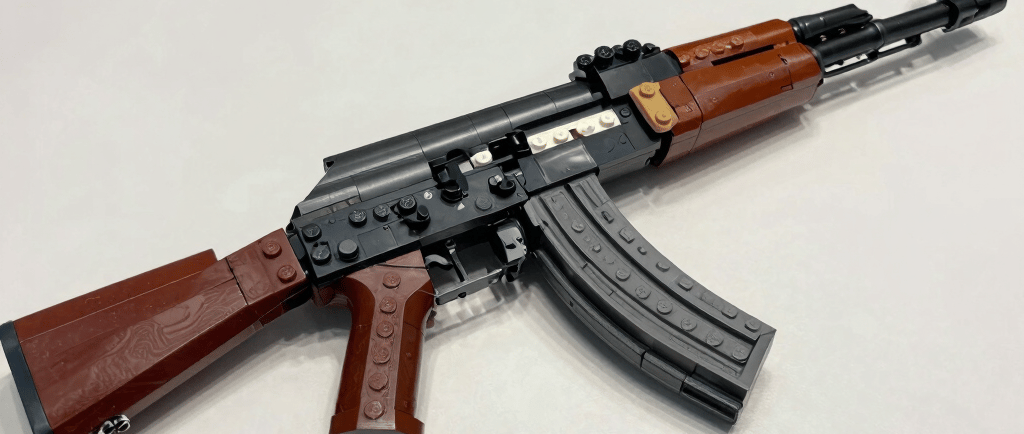
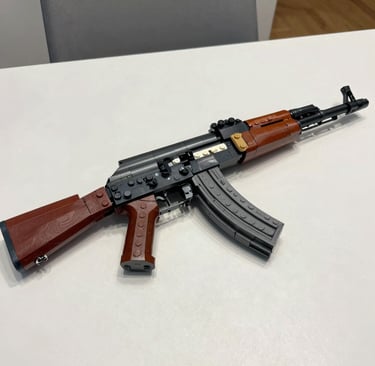
Introduction to 3D Printed Firearms
In recent times, the concept of 3D printed guns has garnered significant attention in the media. Amidst videos showcasing how such firearms can ostensibly be crafted using 3D printing technology, there remains a crucial conversation about the practicality and safety of these weapons. This post aims to elucidate the realities of 3D printed firearms and dispel any misconceptions surrounding them.
The Reality of 3D Printed Gun Technology
While it is indeed possible to create certain components of a firearm through 3D printing, the technology currently available to the public falls short of producing a fully operable and safe weapon. A functional gun necessitates a level of build quality and durability that cannot be achieved with standard 3D printing materials. Firearms, designed to withstand intense pressure from explosive forces, must possess a significant weight for reliability. Heavy firearms are often more dependable, as their mass helps absorb the stress of firing.
Precision and Materials Required for Firearms
To achieve accuracy in firearms, the exhaustively painstaking process of boring and drilling gun barrels to high precision is essential. However, the existing 3D printing technologies, especially those used by amateurs and in consumer markets, do not provide the capability to utilize the suitable materials required for this level of precision. Instances where 3D printed guns have been implemented have relied on specialized materials that are not within reach of most users. Furthermore, such examples often involve impractical measures, such as utilizing minimal amounts of gunpowder to avoid disastrous explosions, which can lead to catastrophic failure and pose severe risks to the shooter.
Conclusion: The Future of 3D Printed Guns
While it may be feasible to 3D print various elements like grips or stocks, the core components such as the main chamber and barrel must still be manufactured from high-quality steel through milling and refining processes. The reality is that until 3D printing technology evolves to meet these stringent demands for accuracy and safety, the prospect of a fully functional 3D printed gun remains a distant fantasy. It is crucial for society to engage in informed discussions about the realities of firearms technology and avoid the sensationalism often portrayed in media representations.