Navigating Original Copyright in the Age of AI and 3D Printing
Not easy getting the ballance right with technology
5/18/20262 min read
Introduction to Original Copyright
For over four decades, my passion for collecting, building, and painting plastic and resin sculptures has flourished, eventually leading me to explore online 3D printing services. This enthusiasm was ignited by watching the iconic movie “Gremlins,” particularly my desire to create a life-size Spike. My journey into the world of art took shape many years later as I began crafting and painting detailed models, which I now consider for potential 3D printing prototypes. In this blog post, I aim to explore the intricate relationship between original copyright ownership and the advancements in AI and 3D printing.
Understanding Resin Kits and Their Limitations
Resin kits are revered for their remarkable detail and weight, yet they come with inherent limitations due to their production processes. Each figure necessitates the creation and casting of specific molds for our prototypes, which eventually break down over time. This leads to restricted production runs for our 3D printed parts. As a result, the temptation for individuals to recast these original works emerges, raising significant legal dilemmas, particularly in the context of 3D printed parts. The original sculptor or property rights holder's role in this scenario is pivotal; if they are actively selling or have plans to sell original figures, recasting with our 3D printer is unequivocally unacceptable. Conversely, when the original pieces become unavailable, the morality surrounding their copies tends to shift.
AI, 3D Printing, and Copyright Challenges
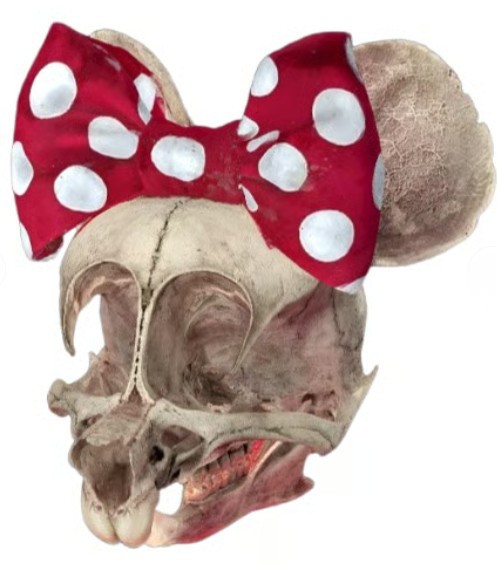
Today, we find ourselves facing a similar conundrum within the realms of images and online 3D printing technology. The ability to convert images into 3D models bolsters creativity but also presents copyright complications. When we undertake a photo-to-3D conversion, our approach is straightforward: we acquire proper permission from our clients prior to the conversion and provide an instant quote for the 3D printed parts. However, issues arise when we attempt to recreate artwork, classic figures, or significant movie moments — all of which are typically bound by copyright ownership, especially when considering our online 3D printing service. We are dedicated to preserving respect for original creators and often offer a percentage of sales from fan art, such as Banksy-inspired 3D conversions through our online 3D printing service. There are instances where original artists do not favor 3D printing and AI, prompting us to withdraw our sales and only retain visuals for public viewing, as we respect their stance on the use of online 3D printing.
Seeking Balance in Artistic Conventions
Ultimately, the objective is to provide unique 3D figures that have never been realized before, ensuring accessibility at a fair price through our 3D printing service. Maintaining a balance between creativity and respect for original artists is essential, especially when utilizing our 3D printing services. This balancing act requires constant reevaluation as we navigate the evolving landscape of copyright, artificial intelligence, and 3D modeling. By fostering an environment where creativity thrives without infringing on copyright, we contribute positively to the art community and uphold the integrity of original works.